
For a More Creative Brain, Travel
Sage advice from a few years ago. Brent Crane from the Atlantic. I have noticed a definite trend that comes with trekking across the globe. These experiences change you. There is no real “going back”. After an authentic adventure, you, the traveler, have been changed. Hopefully for the best. Your mind has been widened. Your experiences have been emboldened. Don’t get we wrong, these adventures can take place 10,000 miles from home, or 10 miles from home. The distance isn’t the factor. YOU are the factor.
Let me know what you think.
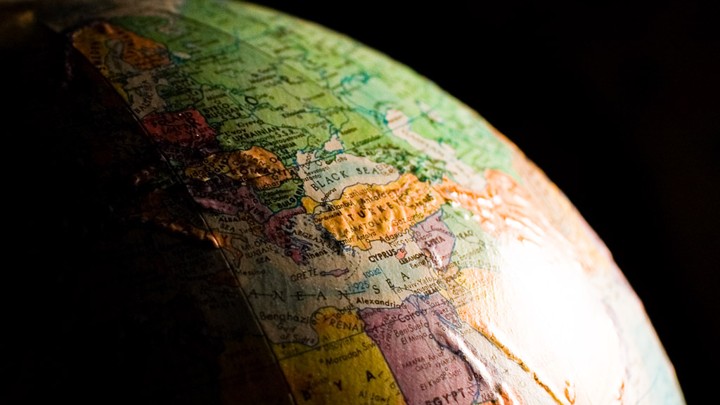
Writers and thinkers have long felt the creative benefits of international travel. Ernest Hemingway, for example, drew inspiration for much of his work from his time in Spain and France. Aldous Huxley, the author of Brave New World, moved from the U.K. to the U.S. in his 40s to branch out into screenwriting. Mark Twain, who sailed around the coast of the Mediterranean in 1869, wrote in his travelogue Innocents Abroad that travel is “fatal to prejudice, bigotry, and narrow-mindedness.”
The Atlantic: Now in Audio.
Subscribe today and get the September 2018 issue in professionally narrated audio.
In recent years, psychologists and neuroscientists have begun examining more closely what many people have already learned anecdotally: that spending time abroad may have the potential to affect mental change. In general, creativity is related to neuroplasticity, or how the brain is wired. Neural pathways are influenced by environment and habit, meaning they’re also sensitive to change: New sounds, smells, language, tastes, sensations, and sights spark different synapses in the brain and may have the potential to revitalize the mind.
“Foreign experiences increase both cognitive flexibility and depth and integrativeness of thought, the ability to make deep connections between disparate forms,” says Adam Galinsky, a professor at Columbia Business School and the author of numerous studies on the connection between creativity and international travel. Cognitive flexibility is the mind’s ability to jump between different ideas, a key component of creativity. But it’s not just about being abroad, Galinsky says: “The key, critical process is multicultural engagement, immersion, and adaptation. Someone who lives abroad and doesn’t engage with the local culture will likely get less of a creative boost than someone who travels abroad and really engages in the local environment.” In other words, going to Cancun for a week on spring break probably won’t make a person any more creative. But going to Cancun and living with local fishermen might.
In Galinsky’s latest study, published last month in the Academy of Management Journal, he and three other researchers examined the experiences of the creative directors of 270 high-end fashion houses. Combing through 11 years’ worth of fashion lines, Galinsky and his team searched for links between the creative directors’ experience working abroad and the fashion houses’ “creative innovations,” or the degree “to which final, implemented products or services are novel and useful from the standpoint of external audiences.” The level of creativity of a given product was rated by a pool of trade journalists and independent buyers. Sure enough, the researchers found a clear correlation between time spent abroad and creative output: The brands whose creative directors had lived and worked in other countries produced more consistently creative fashion lines than those whose directors had not.
The researchers also found that the more countries the executives had lived in, the more creative the lines tended to be—but only up to a point. Those who had lived and worked in more than three countries, the study found, still tended to show higher levels of creativity that those who hadn’t worked abroad at all, but less creativity that their peers who had worked in a smaller number of foreign countries. The authors hypothesized that those who had lived in too many countries hadn’t been able to properly immerse themselves culturally; they were bouncing around too much. “It gets back to this idea of a deeper level of learning that’s necessary for these effects to occur,” Galinsky says.
Cultural distance, or how different a foreign culture is from one’s own, may also play a role: Surprisingly, Galinsky and his colleagues found that living someplace with a larger cultural distance was often associated with lower creativity than living in a more familiar culture. The reason for that, they hypothesized, was that an especially different culture might come with a bigger intimidation factor, which may discourage people from immersing themselves in it—and no immersion, they explained, could mean none of the cognitive changes associated with living in another country.
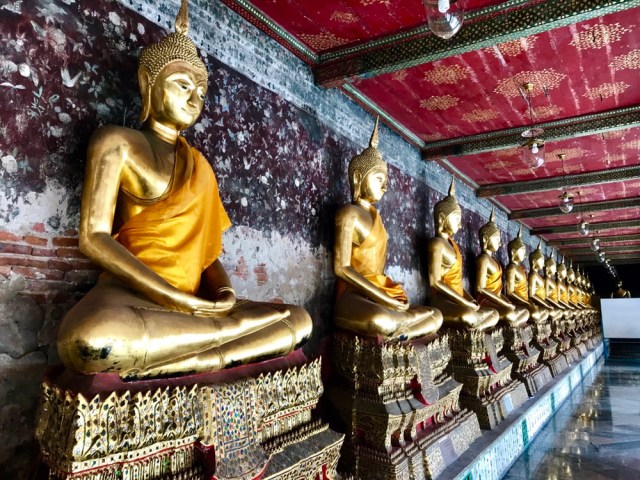
Cross-cultural experiences have the potential to pull people out of their cultural bubbles, and in doing so, can increase their sense of connection with people from backgrounds different than their own. “We found that when people had experiences traveling to other countries it increased what’s called generalized trust, or their general faith in humanity,” Galinsky says. “When we engage in other cultures, we start to have experience with different people and recognize that most people treat you in similar ways. That produces an increase in trust.”
This trust may play an important role in enhancing creative function. In a 2012 study out of Tel Aviv University, researchers found that people who “believe that racial groups have fixed underlying essences”—beliefs the authors termed “essentialist views”—performed significantly worse in creative tests than those who saw cultural and racial divisions as arbitrary and malleable. “This categorical mindset induces a habitual closed-mindedness that transcends the social domain and hampers creativity,” the study authors wrote. In other words, those who put people in boxes had trouble thinking outside the box.
Of course, although a new country is an easy way to leave a “social comfort zone,” the cultural engagement associated with cognitive change doesn’t have to happen abroad. If a plane ticket isn’t an option, maybe try taking the subway to a new neighborhood. Sometimes, the research suggests, all that’s needed for a creative boost is a fresh cultural scene.
We want to hear what you think about this article. Submit a letter to the editor or write to letters@theatlantic.com.

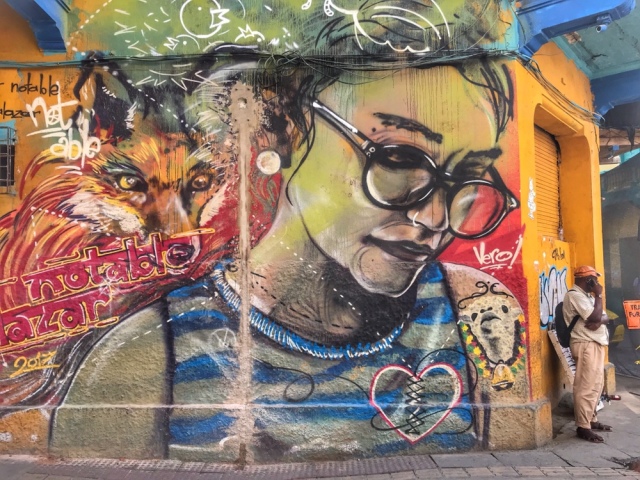
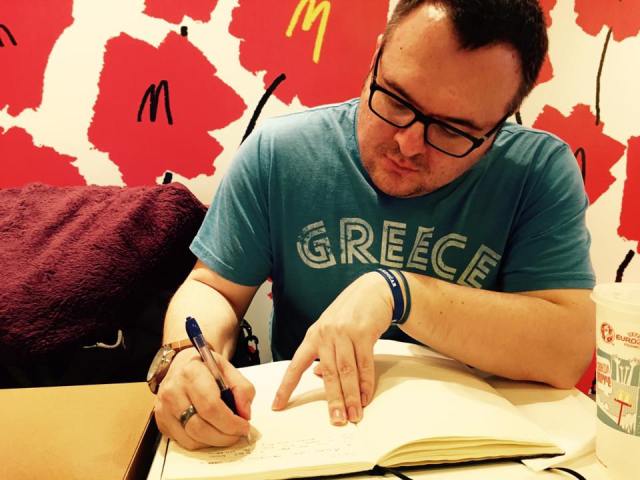
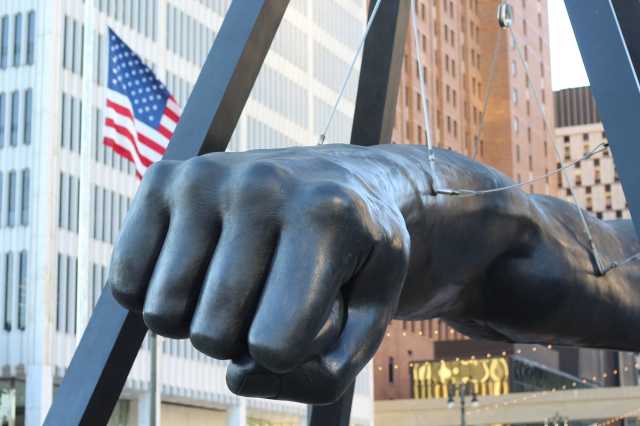
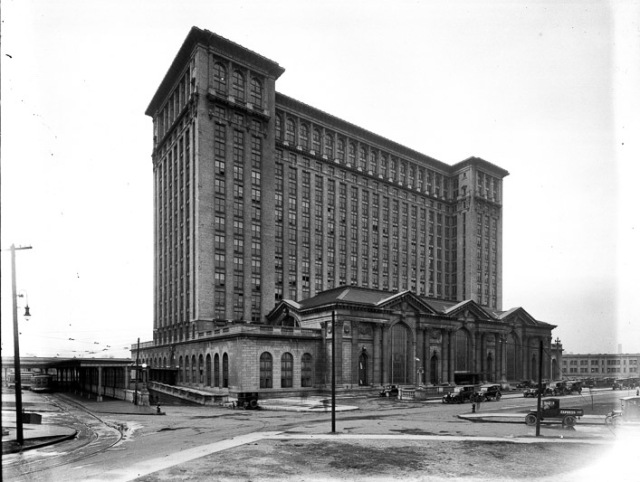






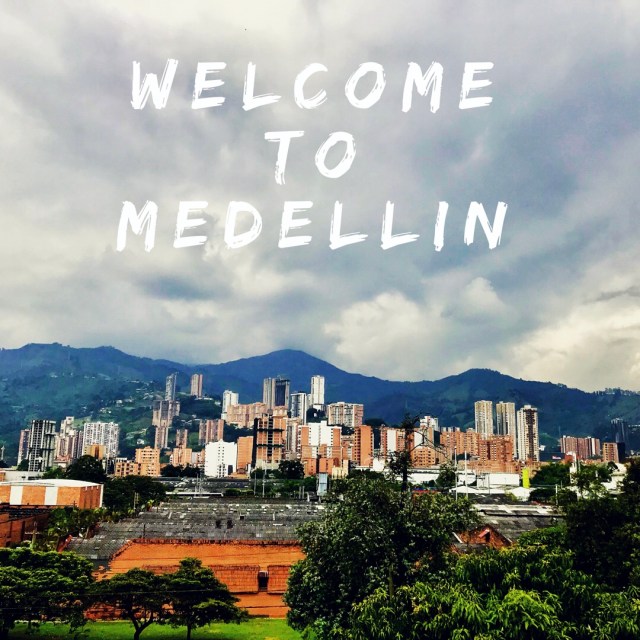 I woke up early a few days before departure and noticed my right foot felt extra tender. After showering and leaving my place I had a bit of a limp! What was this? I tried stretching and walking it off, but the heel of my right foot just ached. It throbbed with every step. This proved a true calamity! I hobbled back to the hotel to deduce I had essentially pulled a muscle. I was walking a ton more, and had brought shoes that had been through the shit so to say. I decided that I would take it easy, and head down to the Parque lleras in the evening to edit photos and get some writing in.
 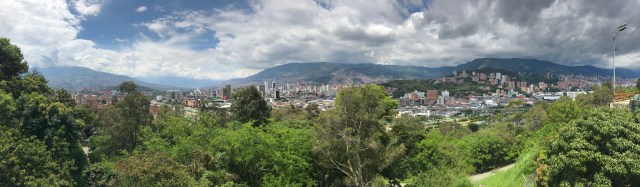 I find this amazing trendy chic cafe. Surely I will do my best work here. This is the preconceived image. All digital nomads and creative types only work in super cool cafes and on beaches of course. I sat down, ordered a hipster inspired beverage and waited for the greatness to flow.
 surely this is where the magic happens…until the rockstar looking barista informs me that they close at 7…which gave me 10 minutes to channel said magic.
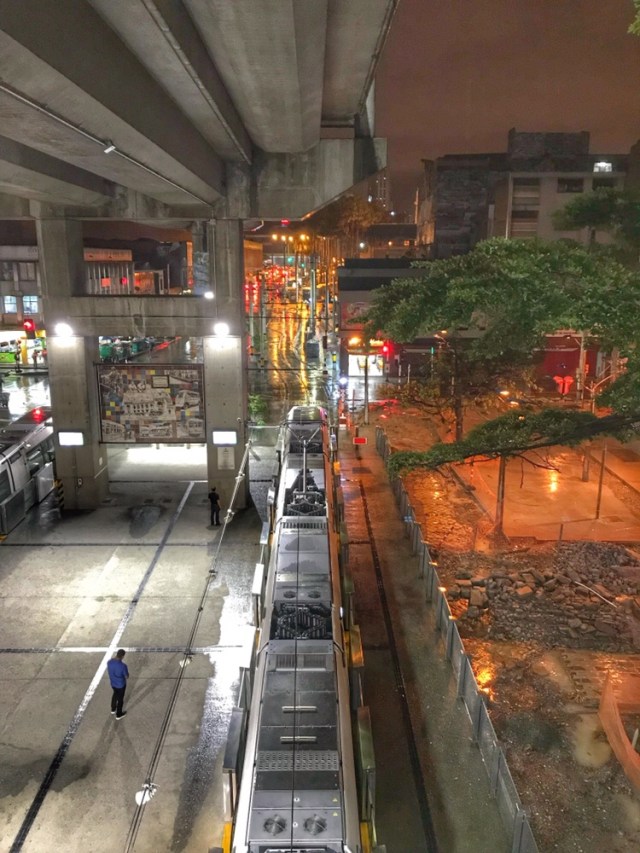 So, where do I end up?
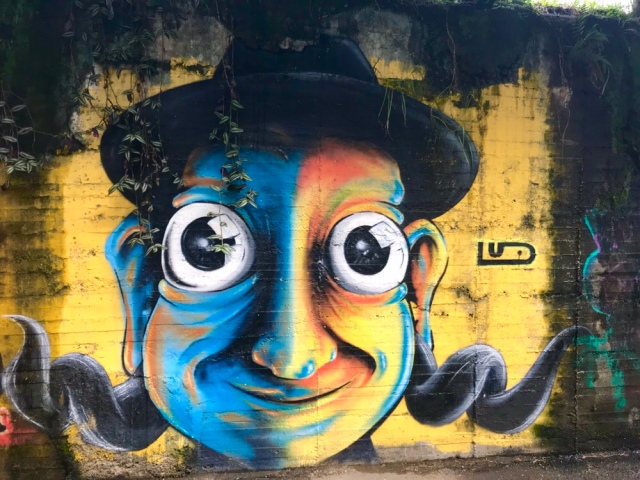 at the end of the day, I’ve realized travel…especially by country number 70, isn’t about insisting to find the top ranked/ most reviewed location. This often leads to epic disappointment. By the time I returned to my place, my friends had also returned, and invited me to sit down to catch up over beers. Perfect timing. Traveling is about the most authentic experience possible. Embrace the unknown, keep a positive outlook and have faith in serendipity.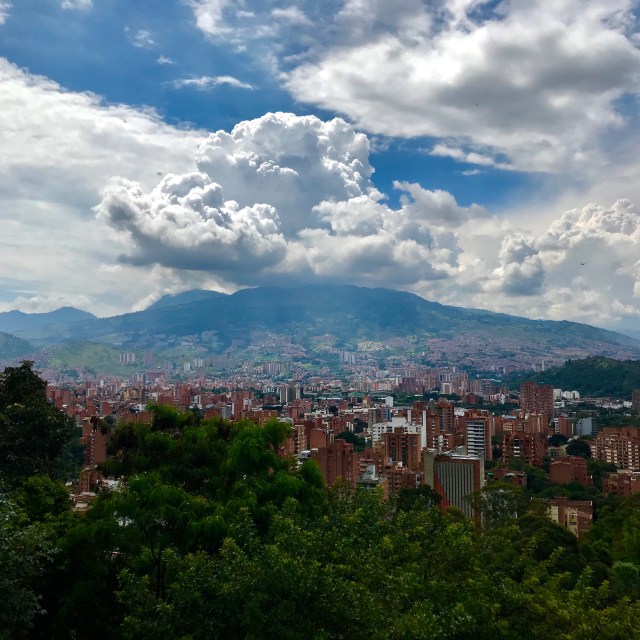
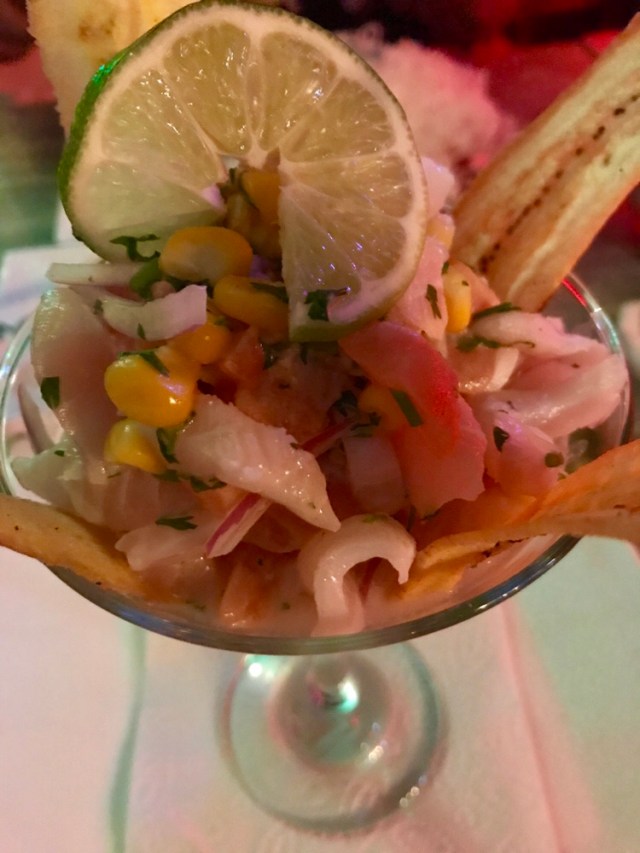 So, now 5 days into this charmed city on the Caribbean and what have we learned? We arrived famished and eager, taking it all in and pushing forward despite all odds. What an absolute blast. This is a kick ass city. Effortlessly grand, historic, bustling and hot. Stupendously hot. This city practically pulses with a beat, salsa in nature, well into the early hours. The ceviche is fresh, bursting, addicting.
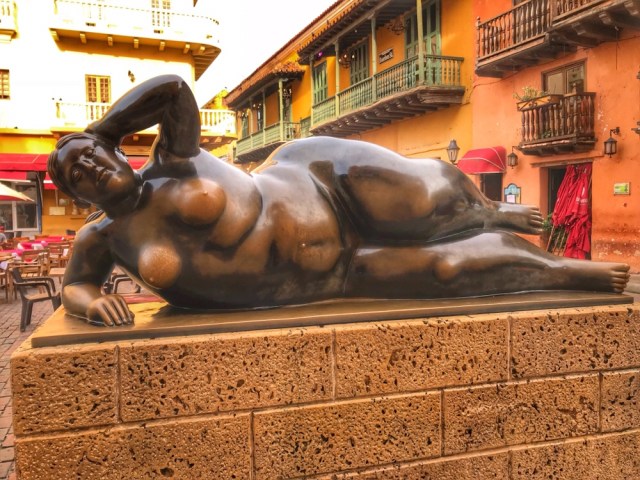 I switched it up for this run, slowed it down and dug deeper into the places I’m in. 3 weeks in Colombia should give an ample snapshot of this incredible place. A few of the benefits of this approach will be discussed here. First and foremost, I’ve been treated to an absolute dream in wandering the walled city after an epic storm.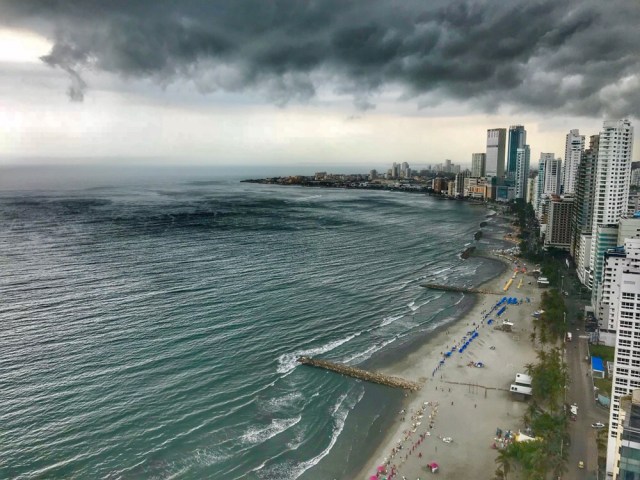
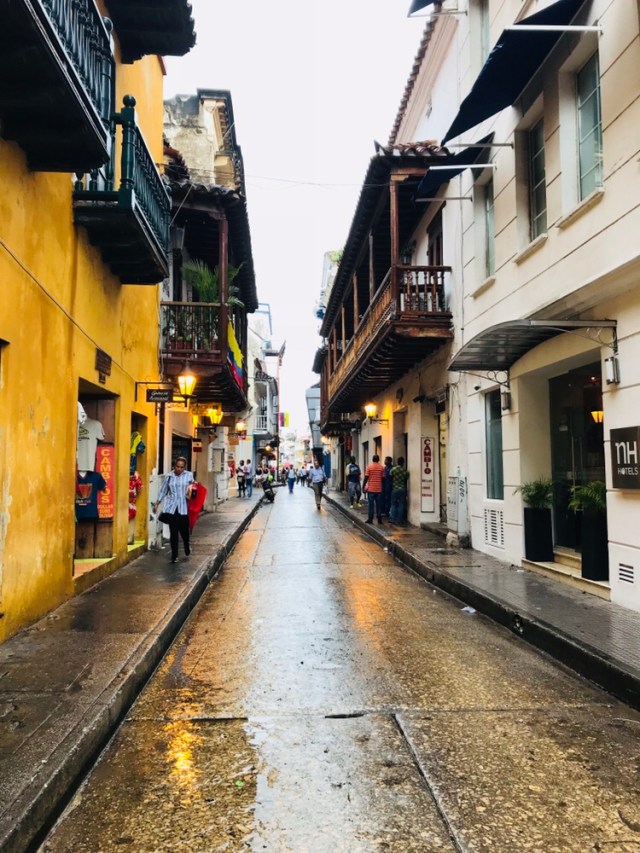
 this place bleeds history, and walking these streets is an experience in itself. No all inclusive triple sec high fructose soaked pool bar here, surrounded by people who look, talk, and act like you…leave that shit for the cruise ships. Get lost. Find something amazing.
 one amazing thing I encountered is when traveling alone…do me a favor, and throw your phone in airplane mode. At this point all the wireless carriers offer day passes or data allotments…but try this for a day. Only check your phone a few times a day when WiFi is avail. Be ACTUALLY present in the moment. By face fucking your phone, and taking more pictures of your beer than drinking it, you are missing out on everything around you. Strike up conversation, engage someone, ask for directions and struggle with the language, that is the very essence of traveling. You will be pleasantly surprised by this miniature “digital detox”.
 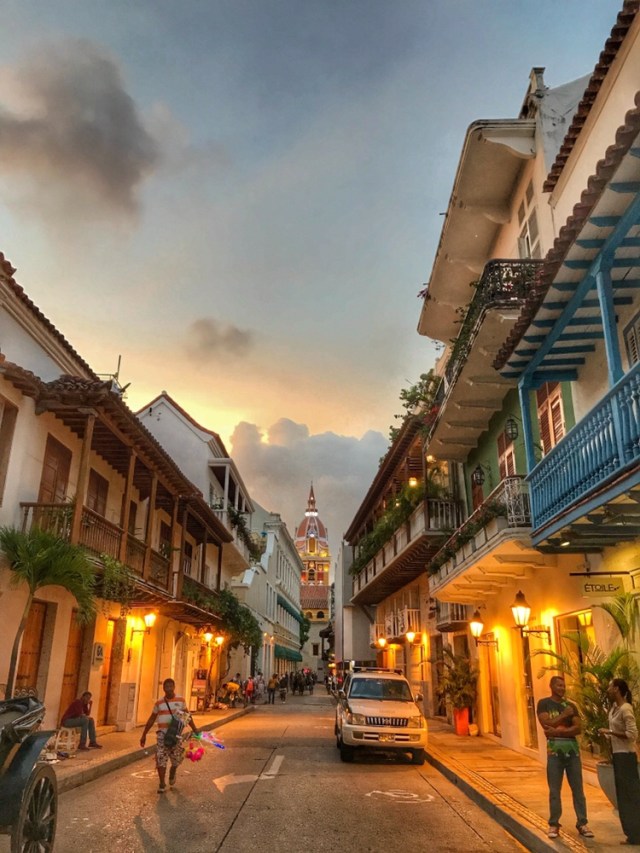 Through the process above I’ve met some amazing people. Even in the few days here. By staying a bit longer, it’s allowed me to dig in deeper to the culture with the help of some local awesomeness. Case in point, a few nights ago, my buddy Alejandro and I, who I met randomly asking for directions came across an amazing couple in a local market. They decided since it was my first time in Cartagena, that I must have their favorite arepas. A matter of pride and graciousness. I didn’t need to consult trip advisor, or Facebook, or read a damn review. We walked and chatted with them for a few hours and indulged local history, cultural insight and amazing street food.
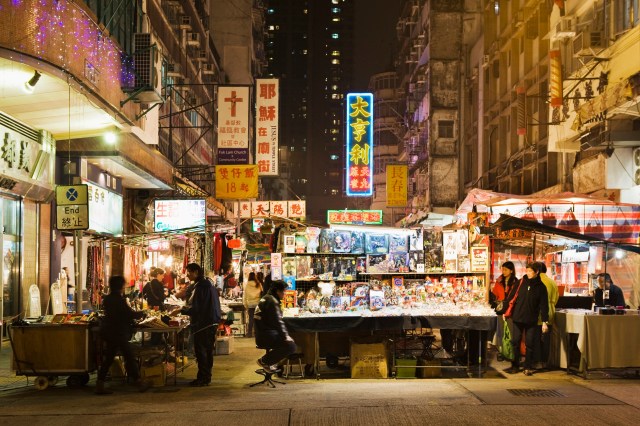
 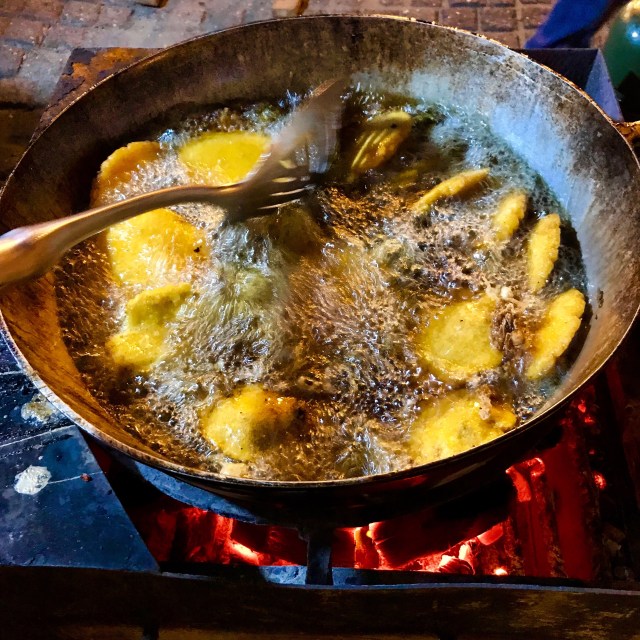 when we arrived at this stand, I was the only non local there. This is exactly what it’s all about. Meet some locals, fall in love with a location. Struggle a bit, find your groove, put your phone away and enjoy.
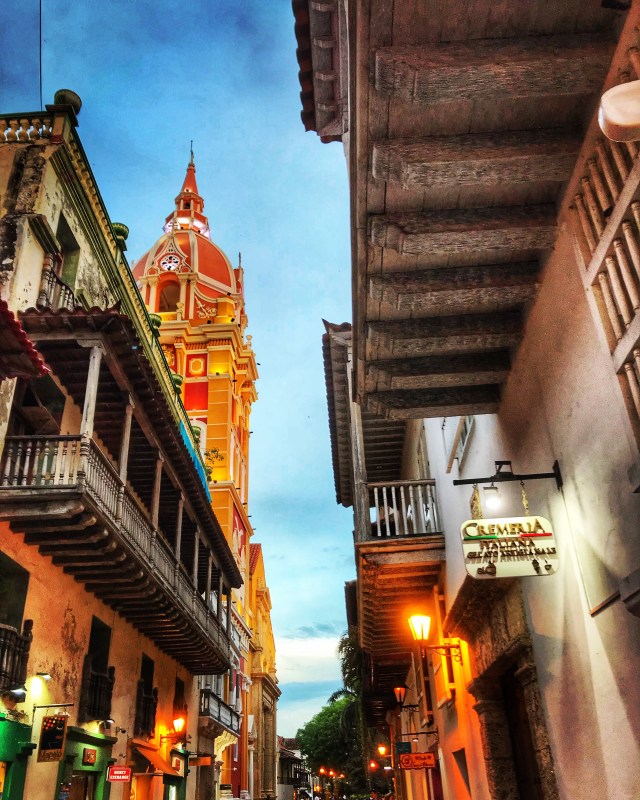 Cartagena, it’s people, it’s architecture, history and flavor all prove intoxicating. Warm and easy, this place has it all. I leave tonight for the mountains, as they are always calling. Medellin coming up next!
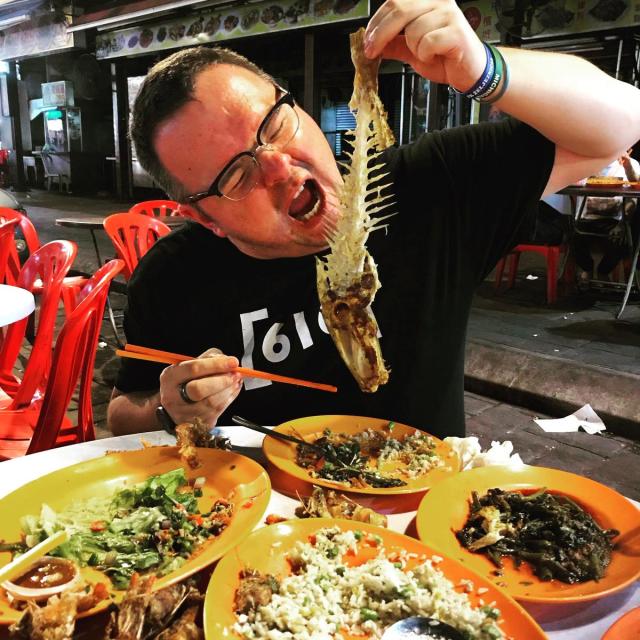





 The Gypsy Professor