I have written about the benefits of a kind of “digital detox” before. Especially within the context of traveling. Like this; From Cartagena with love.
Stowing our devices from time to time allows us to be more connected to the moment, and especially to the people around us. Thinking about the process of building new habits, this recent post by Aj Jones struck a chord with me.
the full article can be found here: https://medium.com/s/story/the-digital-detox-is-dead-but-we-still-need-to-use-technology-more-wisely-31f7964a96d8
Jones argues that the detox is dead, and that instead we simply need to be more responsible with our technology use. What say you? Is the detox dead?

“Who amongst us hasn’t heard of the “digital detox”? In essence, the digital detox is the process of ridding oneself of toxins and unhealthy substances generated by prolonged technology use. In the past few years, digital detoxing has grown from an idea to a brand to, for many, a guide for how to think and live.
Today I’m writing to note that the digital detox should die, and for good reason.
Let’s get to the facts: There is no doubt in anyone’s mind that in our current era of TVs, computers, laptops, smartphones, and tablets, we overuse technology. These tools of technology have fundamentally changed how we communicate. Today, these tools function as essentials for completing everyday tasks at home and in the workplace.
The usage figures themselves are more than a little shocking:
- In the U.S., 87 percent of people in their twenties use two or more digital devices simultaneously.
- 67 percent of people in their thirties spend more than five hours each day on a digital device, also in the U.S.
- 90 percent of adults in the U.S. aged from 18–29 use social media — this is a seven percent increase over a 10-year period.
- 99 percent of people in the U.K. between the ages of 16 and 24 use social media weekly.
- The majority of Norwegians between the ages of 13 and 39 spend 46.6 minutes using technology in bed every night.
For personal research, I’ve even used an online survey to assess how much technology people I know use per day, with over half of my participants reporting a daily use of over five hours.
This technology overuse is increasingly, though often indirectly, linked to conditions including stress, anxiety, social isolation, depression, and insomnia. All of these are known to contribute to burnout, but I predict that the digital detox is just the wrong solution to this problem of technology overuse.
Personally, I’m not addicted to technology per se, but I do use it to work remotely, stay connected with friends and family, and stream movies, which, in hindsight, may seem like a lot. I had noticed not long ago that through my technology use I had unknowingly developed a pattern of bad habits, a few of which I have listed below:
- I would reach for my phone as soon as I woke up (about 8 a.m.) to check Facebook, Instagram, Snapchat, emails, and LinkedIn.
- I’d then grab my laptop from under my bed where I stashed it the night before, head to my desk, and start working. First, I’d respond to emails and messages, then make plans for the day, and finally begin my work (I do work from home quite often).
- By 6 p.m. I would try and finish for the day, sit on the couch with the TV on for background noise, and then scroll through Facebook on my laptop while chatting with friends via WhatsApp on my phone.
- At around 8 p.m., I’d grab dinner with some friends before getting into bed at about 10 p.m. Since I’d often struggle with getting to sleep, I would end up watching Netflix until my eyes were sore enough that they’d close on their own.
- Almost every night for about a year on end, I would wake up at 3 a.m. and struggle to get to sleep again. This would mean that I’d watch more Netflix until my tiredness overwhelmed me, and fall asleep at about 5 a.m., ready to repeat the whole process for another day.
In short, I was exhausted all the time.
The image you probably have of me in your head right now is someone who looks a little like Gollum from Lord of the Rings, and my friends may jokingly argue that this is a pretty accurate representation! But in reality I am a healthy, exercise-conscious person, and always have been. My current lifestyle contrasts with the 10 years of my life which I spent in an elite military unit where my office was the outdoors, and I would literally live for weeks at a time directly under the stars in places all over the world. It wasn’t until I left that career and became a full-time student at a prestigious U.K. university that I began to use technology for hours on end without a break, every single day.
In short, I developed these bad habits during my time as a student, and left them unchecked for so long that I carried them with me into my work life.
So what were the physical and mental effects of all this technology overuse? Well, physically I lost weight. The lack of sleep affected my eating habits and decreased my energy levels. My eyesight, which had always been 20/20, deteriorated. I began to struggle to see objects that were far away, simply because I was spending long periods staring at a digital screen only a few inches from my face.
Mentally, the effects were much worse. My confidence plummeted, and I stopped seeing friends and spending time with my girlfriend. I was exhausted all day, everyday, and used the little energy I did have just to stay on top of my work. I gradually became depressed without even realizing it, which only prevented me from stepping outside more and being around other people. In short, I came dangerously close to being burnt out.
It was at this point that I knew something had to change, so I reflected on my bad habits and tried to begin addressing them; not by detoxing from technology use altogether, but by trying to be more careful about my use.
Be in control of your technology use — don’t let it control you.
Gradually, I began to set boundaries and stick to them. I started going to the gym every morning and didn’t check my phone until I was done with my workout, learning in the process that the world is not going to end if I don’t reply to every email right away. I made a point of meeting and spending time with friends, just chatting and drinking. I now have a definite cutoff time in the evenings for when I stop using my laptop. I also only read in bed now, which has led to deeper, longer, and unbroken periods of sleep.
Very quickly I started noticing myself becoming healthier, happier, and having much more energy. This period of change differs from a “digital detox” the way we understand it today because I didn’t lock all my devices in a box and abstain from technology use altogether, or delete all my social media accounts entirely, or put myself at the metaphorical top of a mountain for longer than a weekend.
My experience teaches me that the “digital detox” needs to die because it is a fundamentally flawed concept. Three reasons explain this: First, the term “detox” has several negative connotations. It implies addiction and dependency, which removes your agency in decision-making and practicing sound judgement over your health and happiness. This, in turn, renders you subject to your digital addiction, unable to make clear decisions and take control without outside support.
Secondly, the idea of surrendering your devices, or deleting your social media and going cold turkey, is actually a rather oppressive and unnecessary approach. It almost creates a prison-like environment in which you can only control your behavior when your distractions are taken away.
Ironically, this in turn creates a situation in which you are rewarded with your devices or apps at the end of your detox period if you are good and obey the rules. If you delete your social media and abstain from using your devices, you get to use them once the detox period is over. It just doesn’t make any sense at all.
Thirdly, it implies that without outside support to motivate you, a detox is, by definition, difficult to achieve. This is wrong, and belief in this prevents most people from managing their technology use much better. For example, 65 percent of Americans somewhat or strongly agree that periodically unplugging is important for their mental health, but only 28 percent of those actually report doing so.
Now, spas and boutiques offer more affluent clientele opportunities to digitally detox while partaking in their services, and companies prioritizing employee health have started treating their staff to bespoke packages or retreats in order to get them away from their devices for certain periods of time.
A more practical approach to the digital detox is to work with the simple fact that most of us do not suffer from a severe addiction to technology and do not actually need, or are not realistically able to, engage in a hardcore detox from it. For those who do suffer from an actual addiction to technology, help can come in the form of professional behavioral therapy, or a rehabilitative experience that promises the necessary services and support to address issues of addiction.
Instead of detoxing, many of the rest of us should get comfortable with the idea of detaching from our technology periodically.
Instead of detoxing, many of the rest of us should get comfortable with the idea of detaching from our technology periodically. Detaching means keeping our devices and social media apps, but using them only when necessary or within an ordained limit. Many of us, for example, don’t need to aimlessly scroll through our phones on a bus or train to help pass the time, since it is bad for our eyes and is almost always unrewarding. Instead, read a book and expand your mind. I’m currently reading The Worst Journey in the World — a true story about the early Antarctic explorers and Robert Falcon Scott’s ill-fated final expedition — which is pretty fascinating and inspiring stuff.
Unlike a digital detox where you either surrender your devices, delete all your social media apps, or, ironically, use an app to block all your other apps (a digital response to a digital problem?!) a detach requires you to make conscious decisions about when and how you use your technology. In this is a more powerful lesson which gives you the power to pull back at any time or context.
When you detach you are in control all the time. It is a mind game in which you play against you, and in which there can only be one winner in the end.
I challenge you to forget about detoxing and embrace the concept of detaching. Choose a time when you would usually use your device; for example, just before bed. Rather than pulling out your device to watch Netflix or scroll through the news, make the choice to read a book in bed. Instead of taking your laptop to a café to work or catch up on social media, make the choice to go for a coffee with a friend, leaving your laptop at home and putting your phone on silent, so you can really be in the moment without any digital distractions.
In short, be in control of your technology use—don’t let it control you. I think you’ll find, as I did, that you’ll be much healthier and happier as a result.”


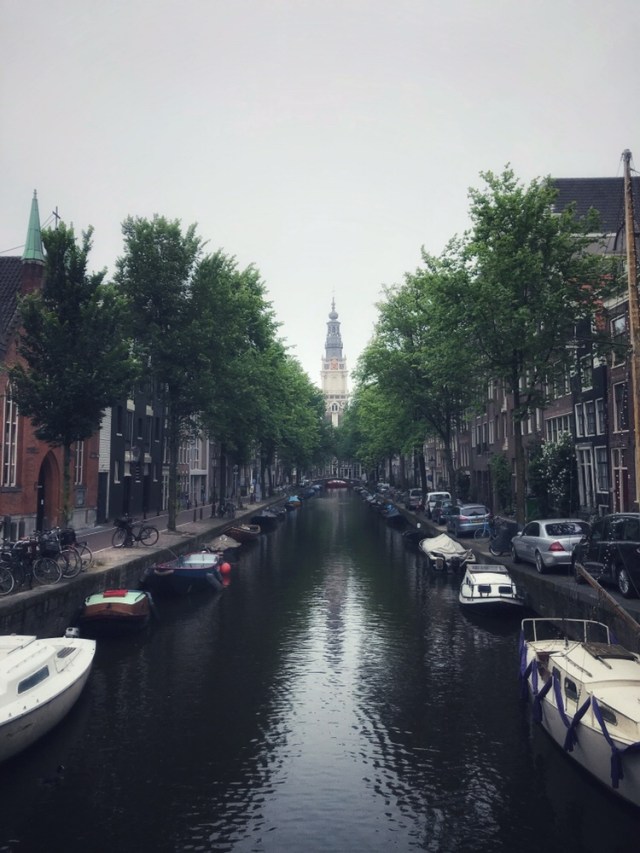
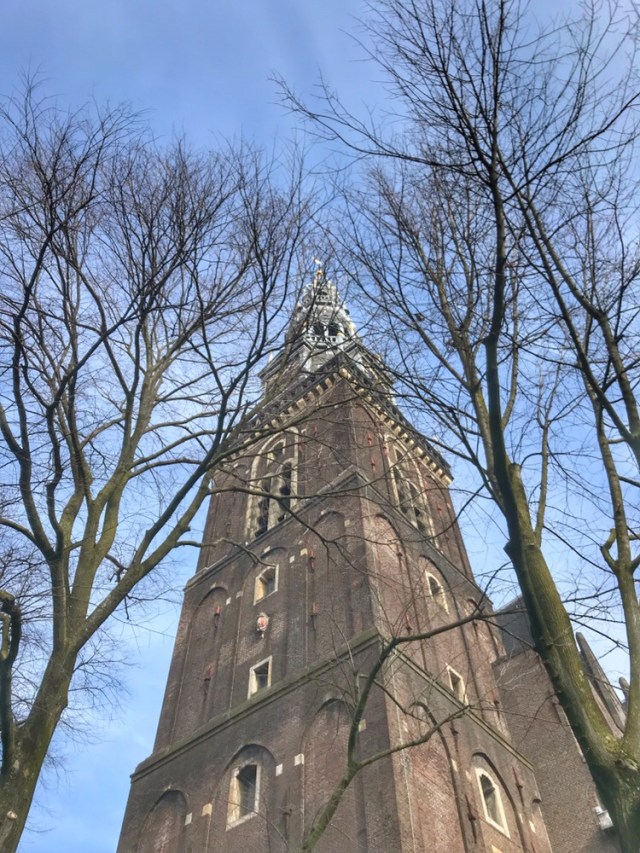
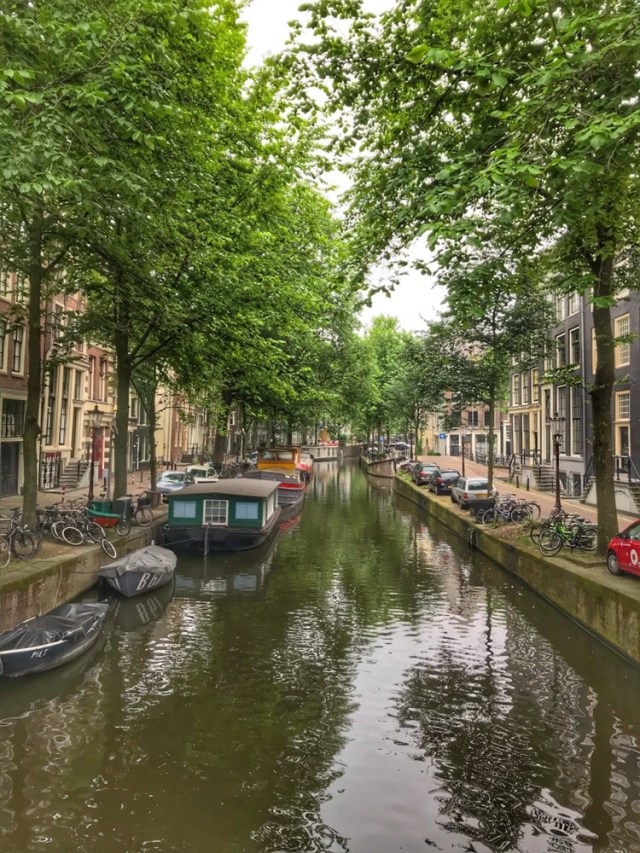 Take it all in and relax. You’ve arrived! This is the perfect starting point. I’ve come to look at Amsterdam a bit as the perfect beginners gateway to Europe. Or, as the title suggests, Europe with training wheels. Let’s start with the airport. It’s big, sure, but easy to navigate. Make your way through customs and viola, the train station is in the basement of the airport. 25 min and 6$ and you are now in the city center.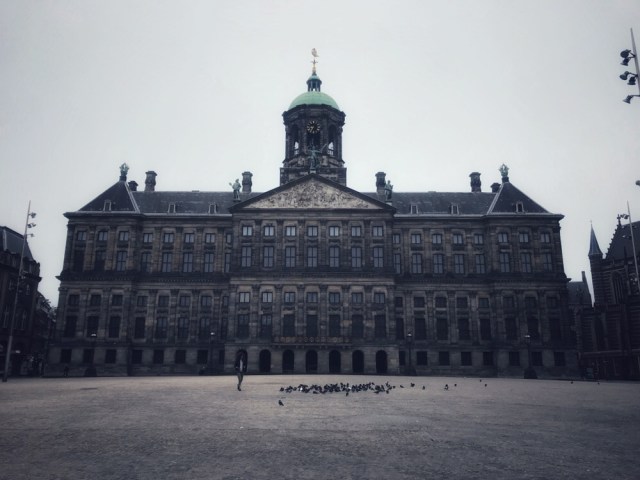
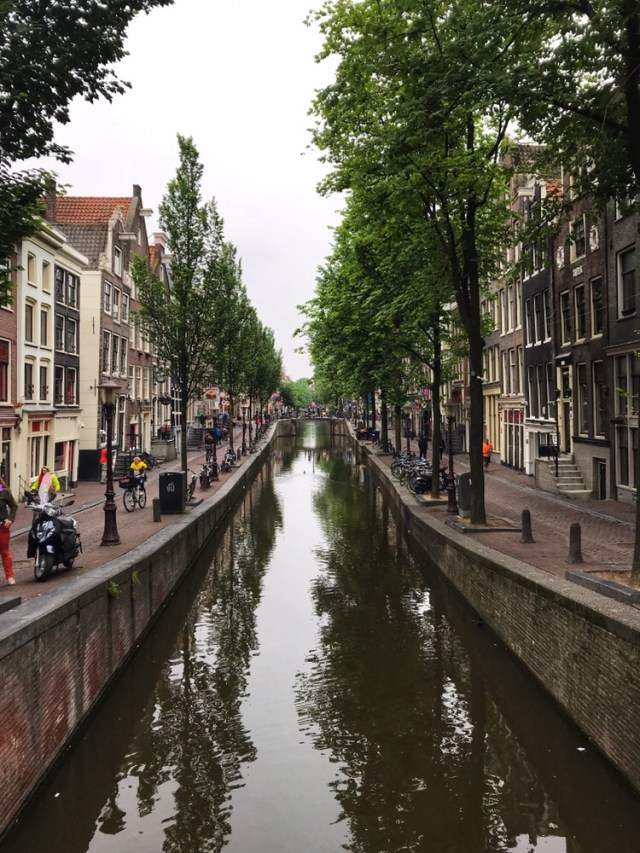 I’m a total sucker for canal shots as you can tell. These make for the ideal morning wander as they have a tendency to get jammed packed as the day goes on. You will log serious miles marveling at the old world architecture, waterways, and other sordid attractions. As this is the red light district, you will walk past people engaging in the time honored wake and bake, hitting it hard in the various coffee shops as well as on the street.
 One of the other big taboos for Americans is legalized prostitution. Get over it. Also, respect the ladies. Don’t try to take their picture or waste their time. Smile and walk by. Enjoy the ambiance. How many places like this exist in the world?!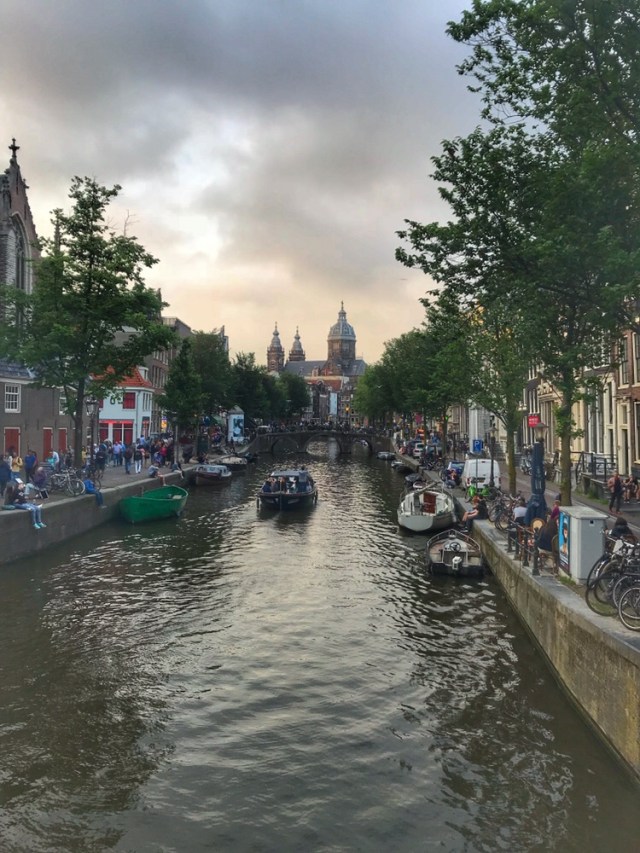
/cdn.vox-cdn.com/uploads/chorus_image/image/59896519/2I1A4052.0.jpg)

 Pablo was eventually brought down in a storm of violence that ripped through Colombia. Rival cartels, paramilitary organizations, the Colombian government, as well as the the American CIA all orchestrated his downfall. That was December 1993.
 turns out I’ve been fascinated about Colombia for quite some time. Raw beauty, enchanting people and a beat all it’s own. This week, it was time for me to leave the sunny embrace of Cartagena, for the cool mountain intrigues of Medellin.
  this city, although only an hour flight from Cartagena could not be more drastically different. Cartagena is distinctly Caribbean. It’s akin to an odd mashup of places like the old town in Hanoi, with a Havana twist. Busy, rhythmic and enchanting, Cartagena is easy to wrap your mind around and manage. Medellin on the other hand is a different animal all together. This city is big. The climate is much cooler, and the vibe is one of a major city on the move. Having just spent a few days here so far, I’ve been traversing this valley as much as possible. This is a place with layers. With depth and grit. The art, the people, the food, all reflect this.
  to start, one has to venture to the plaza Botero. Famed Medellin artist Fernando Botero is now on his 80s. His pieces are all over the world. Including this one in Cartagena.
  his style is modern and one of largess. The sculpture park here in Medellin is a kick ass afternoon wander. Although numerous people informed me that the park can be quite dangerous at night.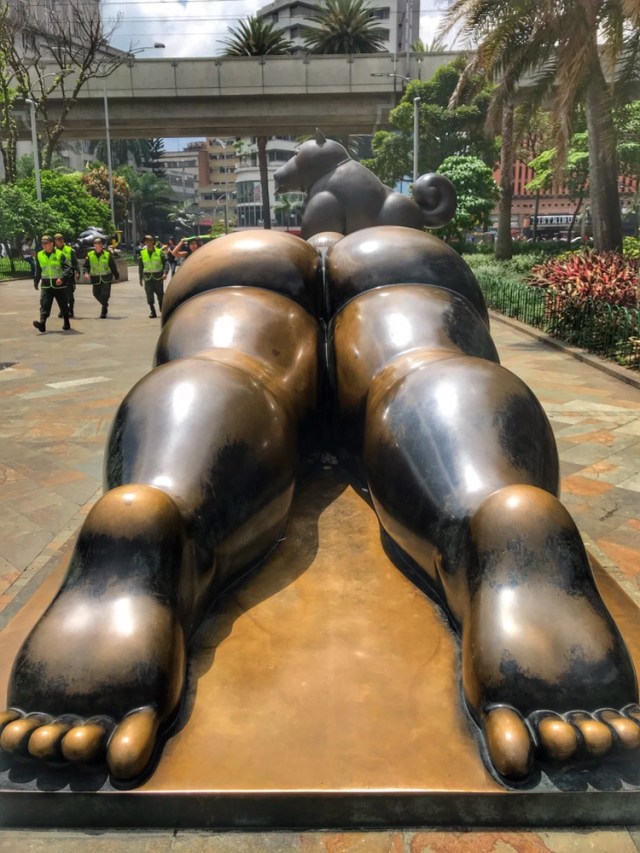
 the pieces collected here represent a cross section of his work
 Be sure to take an afternoon and discover this plaza in the middle of the city. Enjoy a lemonade de coco, and taste this neighborhood. Bring an umbrella as it may rain for a bit. Watch the clouds roll in and take it easy for the down pour. The art scene here is indicative that this city is so much more than the single story of drugs, cartels and violence. The layers here prove amazing, as does the scenery with the mountains always in the background.

 So, now 5 days into this charmed city on the Caribbean and what have we learned? We arrived famished and eager, taking it all in and pushing forward despite all odds. What an absolute blast. This is a kick ass city. Effortlessly grand, historic, bustling and hot. Stupendously hot. This city practically pulses with a beat, salsa in nature, well into the early hours. The ceviche is fresh, bursting, addicting.
 I switched it up for this run, slowed it down and dug deeper into the places I’m in. 3 weeks in Colombia should give an ample snapshot of this incredible place. A few of the benefits of this approach will be discussed here. First and foremost, I’ve been treated to an absolute dream in wandering the walled city after an epic storm.
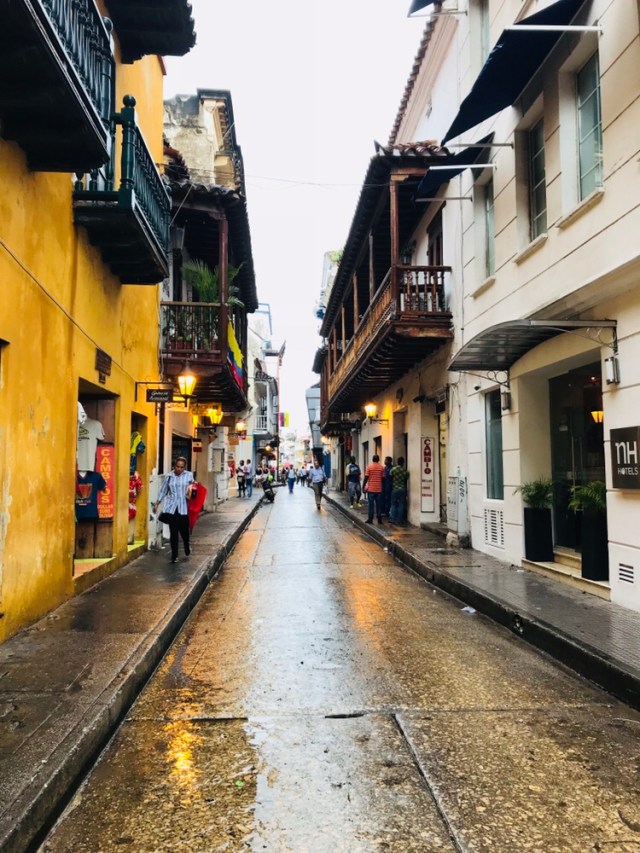
 this place bleeds history, and walking these streets is an experience in itself. No all inclusive triple sec high fructose soaked pool bar here, surrounded by people who look, talk, and act like you…leave that shit for the cruise ships. Get lost. Find something amazing.
 one amazing thing I encountered is when traveling alone…do me a favor, and throw your phone in airplane mode. At this point all the wireless carriers offer day passes or data allotments…but try this for a day. Only check your phone a few times a day when WiFi is avail. Be ACTUALLY present in the moment. By face fucking your phone, and taking more pictures of your beer than drinking it, you are missing out on everything around you. Strike up conversation, engage someone, ask for directions and struggle with the language, that is the very essence of traveling. You will be pleasantly surprised by this miniature “digital detox”.
 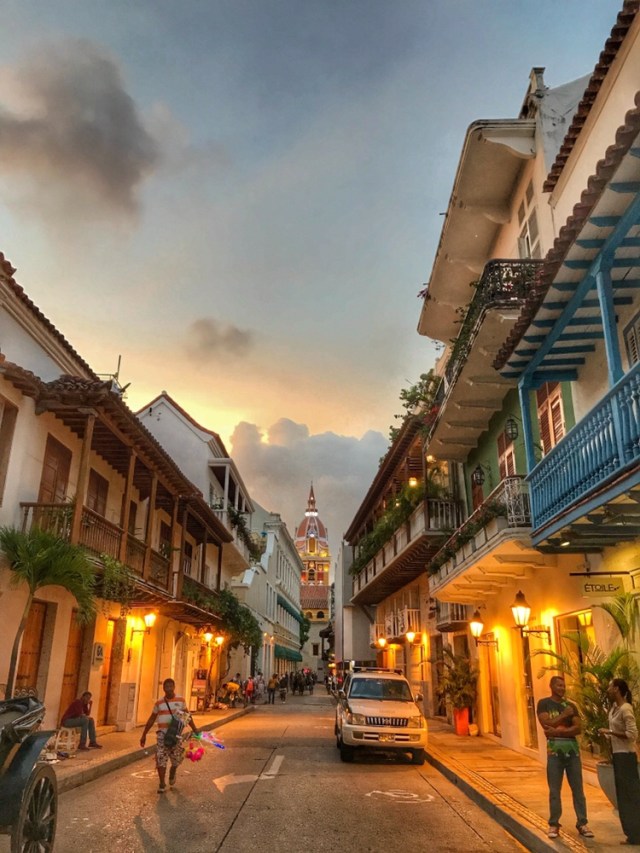 Through the process above I’ve met some amazing people. Even in the few days here. By staying a bit longer, it’s allowed me to dig in deeper to the culture with the help of some local awesomeness. Case in point, a few nights ago, my buddy Alejandro and I, who I met randomly asking for directions came across an amazing couple in a local market. They decided since it was my first time in Cartagena, that I must have their favorite arepas. A matter of pride and graciousness. I didn’t need to consult trip advisor, or Facebook, or read a damn review. We walked and chatted with them for a few hours and indulged local history, cultural insight and amazing street food.
  when we arrived at this stand, I was the only non local there. This is exactly what it’s all about. Meet some locals, fall in love with a location. Struggle a bit, find your groove, put your phone away and enjoy.
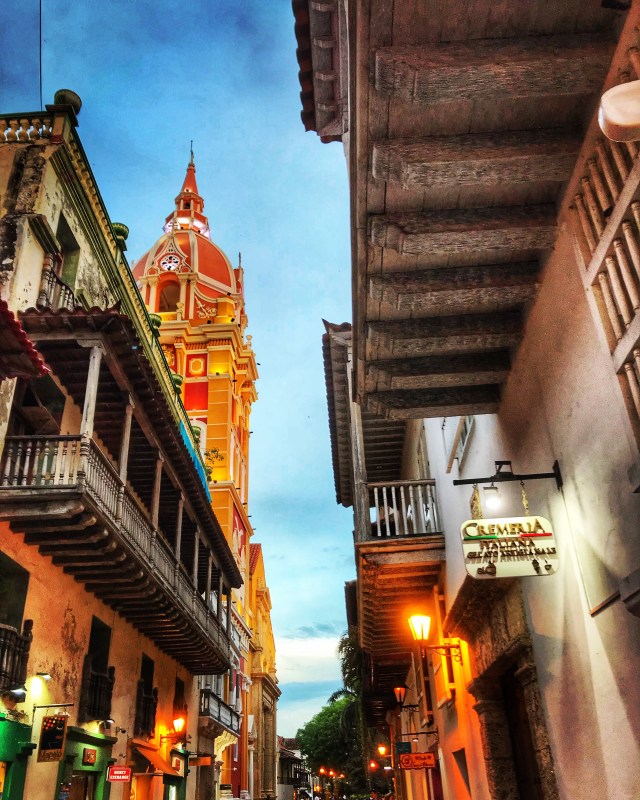 Cartagena, it’s people, it’s architecture, history and flavor all prove intoxicating. Warm and easy, this place has it all. I leave tonight for the mountains, as they are always calling. Medellin coming up next!


 I’m happy to report that after an early morning Detroit departure and being heinously crop dusted in Fort Lauderdale by an evil old woman, I have arrived. Logged a few miles on the shoe lace express, chatted with some locals, and now completely ceviche drunk and content I will wander this city by the moon. Painting a picture of this “gem of the Caribbean”, I hope you’re ready for more.